

Xbox Hired The Aggregation Guy... Right As Google Killed The Open Web

Follow me here… or on LinkedIn
A real thank you up top this week. We just crossed 2,600 LinkedIn subscribers and are closing in on 3,000 across LinkedIn and Substack combined. That is wild to me. Genuine gratitude to everyone here, whether you have been reading since the beginning or this is your first issue.
Last week’s piece on Bond, the marketing collapse around it, the propagation marketing framework I introduced, and the broader Forza / Dead as Disco / micro-community thesis turned into easily my most-read and most-shared piece yet. The dialogue that came out of it... DMs, threads, hallway conversations at GamesBeat... was the best part of the whole week. If you sent me a note about it, thank you... and if you pushed back on something I said, especially thank you. Some of those threads are still rattling around in my head.
Speaking of GamesBeat... I just got back. Outside of the navel-gazing on my own newsletter, which apparently has become the line people lead with when they walk up to me now rather than the Twitch background or whatever BD title I happen to be sitting in, four themes dominated almost every conversation I had on the floor.
How big is GTA VI actually going to be. (Bigger than anyone is currently modeling. Coming back to this in a future issue.) The state of the industry in North America, particularly the structural pressure on traditional publishers and platforms. AI, and the consumer-side concern about it... the fatigue, the anxiety, the general sense that AI is the thing being done to people rather than for them. More on that in a minute.
And then the fourth theme, which honestly carried the best energy on the floor... the games that actually shipped this week. Forza Horizon 6 and Subnautica 2 are both blowing the doors off, exactly as we figured they would. Wins are amazing... and while this industry has been stressful, especially over the last several years, it is great to see wins like these. So let’s start with the positive.
Two Big Wins In Five Days

The two stories that pulled the oxygen out of the room this week were Forza Horizon 6 and Subnautica 2, both shipping inside a five-day window, both delivering exactly the kind of launches that remind you why we do this in the first place. Big swings, big payoffs, big audiences showing up. Wins are amazing. This industry has been stressful, especially over the last several years, and seeing two breakout launches inside a single week is the kind of thing that resets your perspective on what is actually possible when a great game meets the right audience.
Forza: Called It

I have been writing about Forza Horizon 6 all year. Back in February, when the conversation was about the Outer Worlds 2 miss and the Ninja Gaiden 4 miss and the broader Microsoft Gaming pressure story, the framing was that Forza was the clear bright spot, sitting at 0.55% cumulative mindSHARE 15 weeks out and flirting with a borderline S-tier trajectory on the internal scorecard. In April, the framing was that Forza Horizon 6 was the clear winner of Q2 2026, not as a prediction but as a statement of fact, with the data telling that story for months and nothing in the pipeline within striking distance. Now we have the launch week numbers, and they came in even bigger than expected.
Premium Edition early access opened on May 15th at $120, four days ahead of the broader launch. Within hours, the game hit 178,009 concurrent players on Steam, more than double Forza Horizon 5’s all-time peak of 81,096, and that was just the players who paid the premium price to get in early.
Then the full launch landed on May 19th. Steam concurrent peaked at 273,148, surpassing Halo Infinite’s 270,000 to become the most successful Xbox Game Studios launch on Steam in history. Pre-launch revenue from Premium Edition sales alone is estimated at $140 million before the standard edition tier kicked in, with more than 1.2 million players across platforms inside the early access window.
Metacritic landed at 92, putting it among the best reviewed games of 2026. A PlayStation 5 release is confirmed for later in 2026, with no date yet, meaning the revenue tail still has six to twelve months of fresh oxygen ahead of it.
Forza did the thing every publisher should be doing. Trust the product, trust the audience, and get out of the way of the loop. Last week’s piece on propagation marketing laid out the structural case for why this campaign was going to work. Launch week is the receipt. The Mech My Day showcase clip... a Honda Acura racing a Gundam-style mech through neon Tokyo... has been everywhere this week, not because anyone paid for it to be, but because the audience was already in the room and ready to share. That is what happens when you build the propagation engine first.
Attention Is Zero Sum... And Winners Cast A Shadow
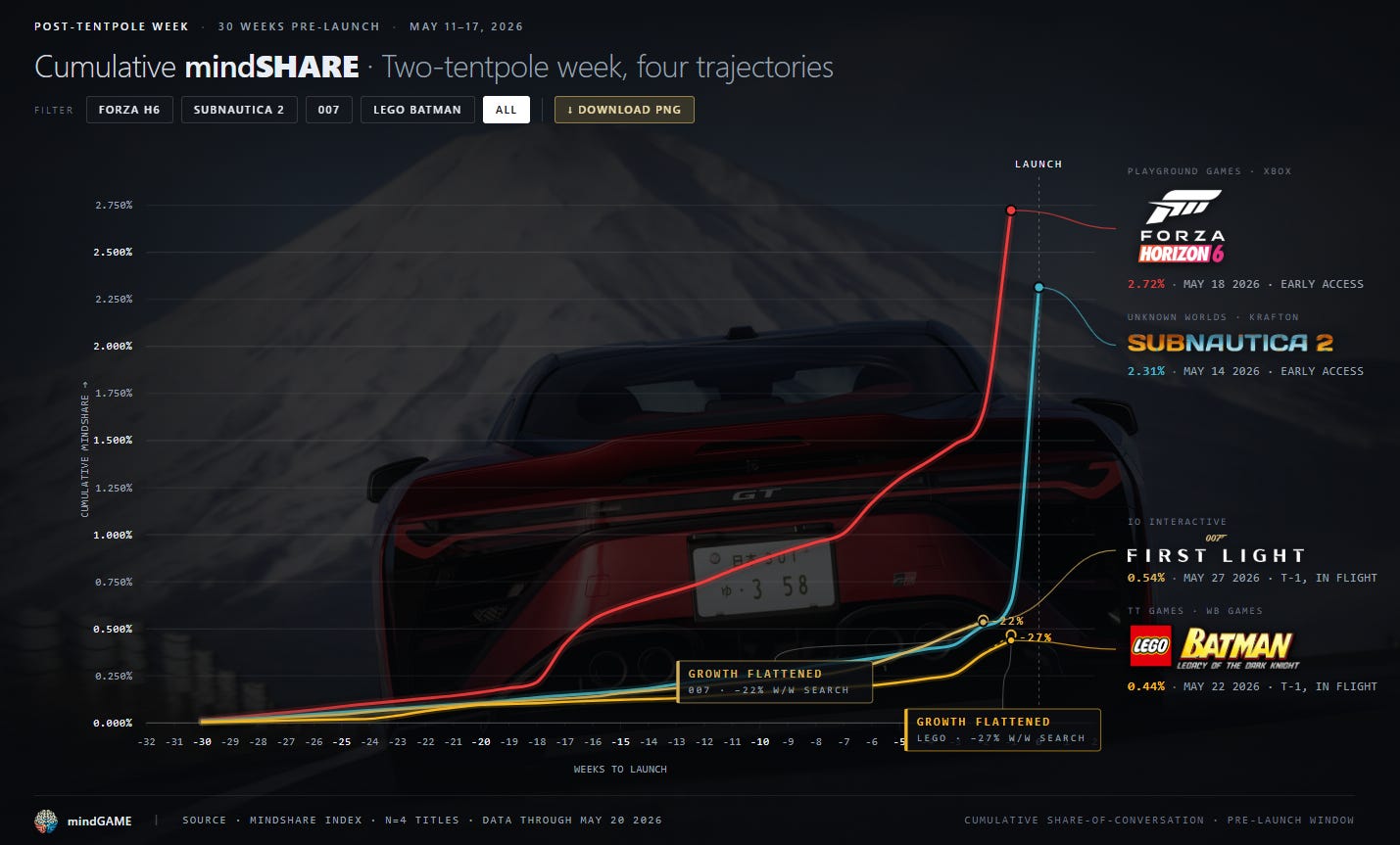
Subnautica 2 launched in early access on May 14th and immediately did the work of a tentpole hit. 467,582 peak concurrent players on Steam within 90 minutes of opening, 651,000+ concurrent across all platforms factoring in Epic and Xbox, and 2 million copies sold in 24 hours, with day-one Game Pass on top of that.
The bigger story is what happens to everything else when two simultaneous breakout launches land inside a five-day window. I wrote about exactly this in April. The broken calendar. The attention tax. Player time being zero sum, wallet share being zero sum, and the industry doing this to itself anyway. This week the data showed up to validate the thesis in a way that is hard to argue with.
007 First Light had been ramping cleanly through April and early May. Weekly Google search volume went from 264,710 at week -5, to 314,485 at week -4 (+19%), to 414,426 at week -3 (+32%). Then Forza opened early access, Subnautica 2 launched, and Bond’s week-over-week search volume dropped to 323,541 at week -2... a 22% decline during the exact week the two tentpoles hit. MindSHARE rank went backwards from 225 to 251, in a window where it should have been ramping aggressively into launch.
LEGO Batman: Legacy of the Dark Knight tells an even sharper version of the same story. Weekly search jumped from 160,732 at week -3 to 541,506 at week -2 as the marketing push finally kicked in. Then the two tentpoles hit the market, and Batman’s search fell to 396,583 at week -1... a 27% drop week-over-week. Cumulative mindSHARE rank moved backwards from 150 to 192. The growth rate compressed hard.
Bond will land where I read it last week. Solid, competent, fine. Whatever ceiling existed got compressed further by two tentpoles pulling the room in different directions. Batman is doing exactly what the data said it would. C-tier coming in, C-tier coming out, with a shadow effect on top that is going to make the launch week feel softer than it otherwise might have. Neither game is failing. Both are paying the tax I called out six weeks ago. The lesson holds. Use the calendar. All twelve months of it. June is sitting there mostly empty, and at least one of these games could have owned it outright if the release window had been built with breathing room in mind.
A Massive Week For Xbox And Asha
Zoom out for a second on what Forza Horizon 6 actually means for Xbox.
Did Asha Sharma greenlight this game? No. Forza Horizon 6 was in development long before she took over Microsoft Gaming in February. Was this game going to perform well regardless of who was sitting in the CEO chair? Almost certainly. Playground Games has not missed once with the Forza Horizon series across six entries dating back to 2012, and the Japan setting was the most requested in franchise history.
None of that takes away from what this launch actually means three months into the new era. Until this week, the biggest “win” of Asha’s tenure was bringing back the classic green Xbox logo and retiring the “Microsoft Gaming” branding, which yes, we all loved... but that was a PR win, not a commercial one.
Forza Horizon 6 is the commercial one. The first unambiguously good story Xbox has had in over a year, after the Black Ops 7 softness, the Outer Worlds 2 miss, the Ninja Gaiden 4 miss, the Game Pass price hike blowback, and the gaming-division impairment charge. This is the kind of win that gets the Greg Posners of the world genuinely excited about the new leadership era.
A win that quietly confirms Forza is the most valuable franchise Microsoft owns right now, possibly more valuable than Halo, Gears, or even Fable. Speaking of Fable, which is the next Playground Games release on the docket... the appetite for what is coming next just got materially bigger. One studio. Two tentpole franchises. The flywheel is real.
The Matthew Ball Signal

On Wednesday, The Game Business broke the news that Matthew Ball is joining Xbox as Chief Strategy Officer. The same announcement included Scott Van Vliet as Chief Technology Officer (previously running Azure OpenAI and AI Core infrastructure at Microsoft, with a games background spanning Amazon Game Studios, the Amazon App Store, and Mattel’s Digital Play division). Chris Schnakenberg got promoted to Corporate VP, Partnerships & Business Development, coming out of a 12-year run at Activision Blizzard. Asha framed the moves around execution and clarity:
“These changes are about strengthening our foundation by creating more clarity and improving execution. As we head toward Showcase and beyond, we’ll continue making the changes needed to position Xbox for the future.” — Asha Sharma, CEO, Xbox, via The Game Business, May 20, 2026
Three significant moves in one day. The industry coverage focused on the org chart. Almost nobody is talking about what the Ball hire specifically signals.
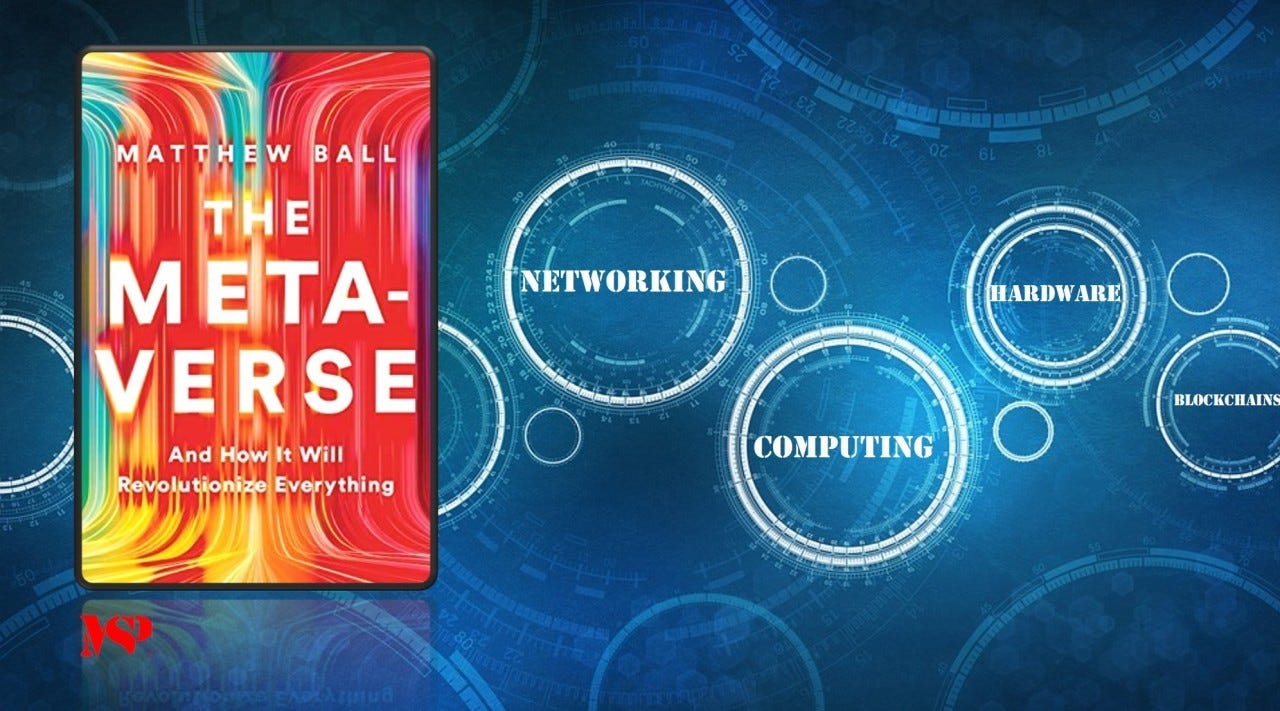
Let me put it plainly. Matthew Ball is the analyst who wrote a 600-page book about platformification. The Metaverse was a 2022 international bestseller, but the framing was bigger than VR or any specific technology... it was a thesis about how value migrates to integrated platform stacks, how the next era of computing gets defined by who owns the aggregation layer, and how attention gets monetized inside those layers. He has spent the last decade publishing some of the sharpest public analysis on Disney, Netflix, Apple, gaming, and media consolidation. His annual State of Video Gaming report is required reading inside every gaming exec suite I know of.
Ball has been making a specific argument in public for a while now, and it is the one Xbox should have been listening to since 2021. Consoles are failed aggregators. Infrastructure is there. Audience is there. Discovery layer is there. Value capture is not. In his February 2026 Stratechery interview, Ball laid out the structural reality of where the money actually flows in console gaming today:
“We have more supply, margins have been whittled down... where does the profit tend to go? They go to platforms like Steam or the App Store or increasingly, those super meta level platforms, be it Discord, Fortnite, Roblox, etc.” — Matthew Ball, CEO, Epyllion, Stratechery, February 19, 2026
Translation: the value is not getting captured by the console platforms. It is getting captured by the layers above and below them, while consoles get squeezed in the middle. That is a problem Microsoft is uniquely positioned to solve, because the parent company is sitting on more aggregator infrastructure than any other gaming player. Xbox, Game Pass, the Activision Blizzard portfolio, Minecraft, Bethesda, the cloud streaming layer, the LinkedIn data graph, and the Bing ad infrastructure sitting next door. Microsoft has every component piece needed to build the platform-level aggregator the console industry has spent a decade failing to become.
Then there is the advertising piece. Ball has been signaling for months that ads on PC and console are the next major growth lever, and he put a number on it earlier this year:
“It looks like in 2026 that total ad spend against mobile games will exceed total consumer expenditure on PC and console games, so we have to think about this as essentially now the third or fourth leg of the entire games industry. There are real challenges in the PC console implementation, but when you take a look at revenue opportunities, especially in stagnant expenditure markets... that’s going to be key.” — Matthew Ball, CEO, Epyllion, Stratechery, February 19, 2026
Read that quote twice. The analyst who just took the Chief Strategy Officer job at Xbox is on record saying that advertising against gaming is the next major growth leg of the industry, that the PC and console implementations have not happened yet, and that the revenue opportunity is materially significant in markets where consumer spending has flattened. North America is one of those markets. Major Market 8 economies he tracks have not grown in five years. Growth has to come from somewhere. Ball thinks it comes from better aggregation and from finally cracking the advertising layer on top of the highest-attention medium in the entertainment economy.
That is the through-line for this hire. Ads on his mind. Aggregation on his mind. Capturing the attention and value that gaming holds over the modern consumer, on his mind. Pair those instincts with Microsoft’s portfolio, and the picture of the next 18 months at Xbox gets a lot clearer.
The reported first assignment is the console business. That tracks with Ball’s recent public commentary on hardware economics. In his February interview with The Game Business, where he was discussing the DRAM cost pressure crushing console margins, Ball put it directly:
“I’m pretty frightened by the DRAM crisis.” — Matthew Ball, CEO, Epyllion, The Game Business, February 26, 2026
Hardware is the surface layer of what Ball will actually be doing inside Xbox. Anyone who has read his work knows the console sector is the entry point into a much bigger argument he has been making about how to capture the attention and value that gaming holds over the modern consumer. Consoles are the surface area. Aggregation is the game.
There is one more dimension to this hire that the industry coverage glossed over. Ball will still be on stage at The Game Business Live on Monday, June 8th. What was always going to be a fascinating hour just got materially more interesting. The new Chief Strategy Officer of Xbox doing his first public conversation since the appointment. I genuinely hope nothing changes about that booking. If you have a ticket or an SGF Industry Day badge, this is the morning that just became unmissable.
The reason I am framing all of this so heavily is that the Matthew Ball hire is the lens through which the rest of this issue needs to be read. The story underneath this week is not really about Forza Horizon 6 or Subnautica 2 or Bond’s launch window or even Asha’s first commercial win. The story is that the open web is dying, value is migrating to platform aggregators, and Microsoft just hired the analyst who has been explaining exactly that argument in public for a decade. The rest of this piece is about what that actually looks like in practice, and why Google’s announcements at I/O this week put the final nail in a coffin the industry has been pretending was empty for years.
The Open Web Is Dying And Google Just Said It Out Loud
I have been dodging the AI conversation in this newsletter for a long time. Not because I do not have a view on it. Rather, because I have too many views on it, and most of them sit in tension with each other.
Look, I am a believer in the technology. My team and I could not do mindGAME at the speed and depth we run it today without AI in the workflow. Research that used to take a week takes an afternoon. Pattern matching across thousands of data points happens in real time. Three years ago, none of this was possible. We use it daily, and the version of this newsletter you are reading right now is materially better because of it.
I am also someone who watches friends at Meta refresh Blind every morning to see if today is the day they get cut. The hyperscaler capex story is being funded by white collar layoffs. Every quarter, another round, another wave, another set of people I know personally getting the email. My college years were spent adjacent to the Rust Belt collapse, in a part of the country where the factory closures of the 80s and 90s were still being processed in real time. Same pattern playing out now... just different collar.
So I have stayed quiet on the AI macro story because I genuinely do not know how to hold both of those truths in a 1,200 word newsletter without it feeling either preachy or naive. Still figuring it out. Bear with me.
What pulled me off the sidelines this week was Google I/O. Specifically, the formal announcement of something the open web has known was happening for years but has been too uncomfortable to say out loud. The era is over. A model that built the modern internet, the one that connected publishers to audiences through search and monetized it through ads, is being replaced in real time. Google said so at I/O this week. Data has been saying so for years. This is the issue where I finally try to write about it.
A bit of personal context up front, because this is the section where I get to be a little melancholy.
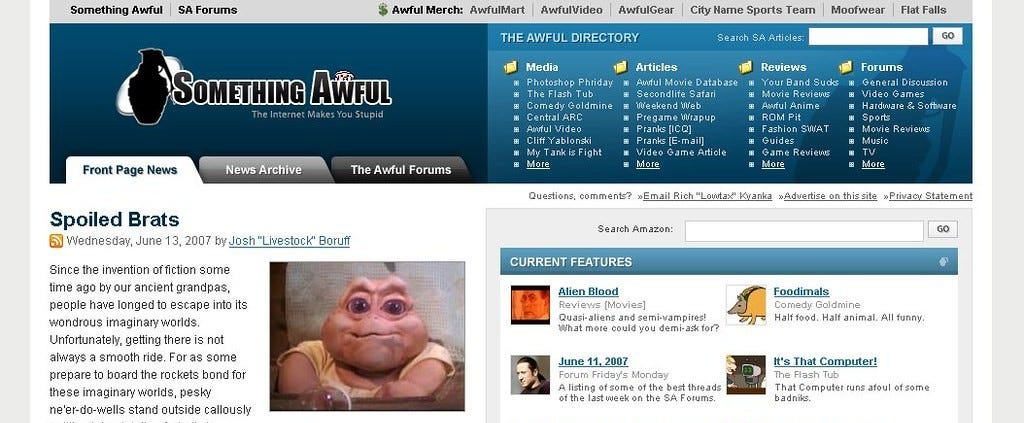
Old enough to remember when my family had to install a second phone line so we could all use the internet without someone picking up the receiver and disconnecting us. My formative web years were spent on Something Awful forums, GameFAQs walkthroughs, and fan wikis built by volunteers. That weird, community-driven corner of the internet exists now mostly as nostalgia content on YouTube. The open web shaped how I think about media, attention, and community. It is the reason this newsletter exists. Substack, LinkedIn, the entire creator economy I sit inside, all of it is downstream of the original open-web bargain.
Ironically, I am also one of the people accelerating the end of it. Aggressive ad blockers and privacy blockers run across every device I own. The open web in 2026 is functionally unusable without them. Pop-ups, autoplay video ads, cookie consent banners, newsletter signup modals layered on top of paywall walls layered on top of recommendation modules. Reading an article on a typical media site now requires either a subscription or a willingness to navigate a hostile interface designed to monetize every pixel of your attention. Google long ago started charging a toll to be seen, where you have to bid on your own brand name just to show up above a competitor in the SERP. SEO has eaten editorial. Editorial is now downstream of whatever Google’s ranking algorithm rewards in any given quarter.
When I say the open web is dying, what I really mean is that the version of it that existed for most of my life has already been dying for a while. Google I/O this week was just the formal acknowledgment.
What Google Actually Announced

Google I/O 2026 ran Tuesday and Wednesday in Mountain View. Sundar Pichai opened the keynote framing the announcements as the biggest reinvention of Search in 25 years, and for once the marketing language tracked the substance.
Bloomberg’s coverage of the keynote captured the structural posture Google wanted to project:
“All of the relentless shipping, the rapid advances in technology, it’s been a period of hyper progress.” — Sundar Pichai, CEO, Google, Google I/O Keynote, May 19, 2026, via Bloomberg
Hyper progress is the corporate version of what is actually happening. Google has decided it no longer needs to send traffic anywhere. TechCrunch’s Sarah Perez put it more bluntly in her headline the same day: Google Search as you know it is over. The era of the ten blue links is officially done, and the announcements over two days made the new model concrete.
Five things shipped or were announced that actually matter. AI Mode is now the default Search experience, with 1 billion monthly users, while AI Overviews (the broader summaries at the top of standard search results) hit 2.5 billion monthly users. Generative UI builds custom widgets and interactive layouts on the fly inside the answer pane, replacing what used to be a publisher’s website with a Google-rendered interface tailored to your specific query. Information Agents are background agents that monitor topics on your behalf 24 hours a day and surface updates without you needing to search again. And Antigravity is the developer framework for building mini-apps that live inside Search itself, so the answer can include a working calculator, a price tracker, a comparison tool, a custom interface, whatever the query needs. The Gemini app, separately, hit 900 million monthly users, more than doubling year over year.
Read that list twice. Every single one of those features is designed to do the same thing structurally. Keep the user inside Google’s interface. Give them the answer. Generate the experience. Skip the click.
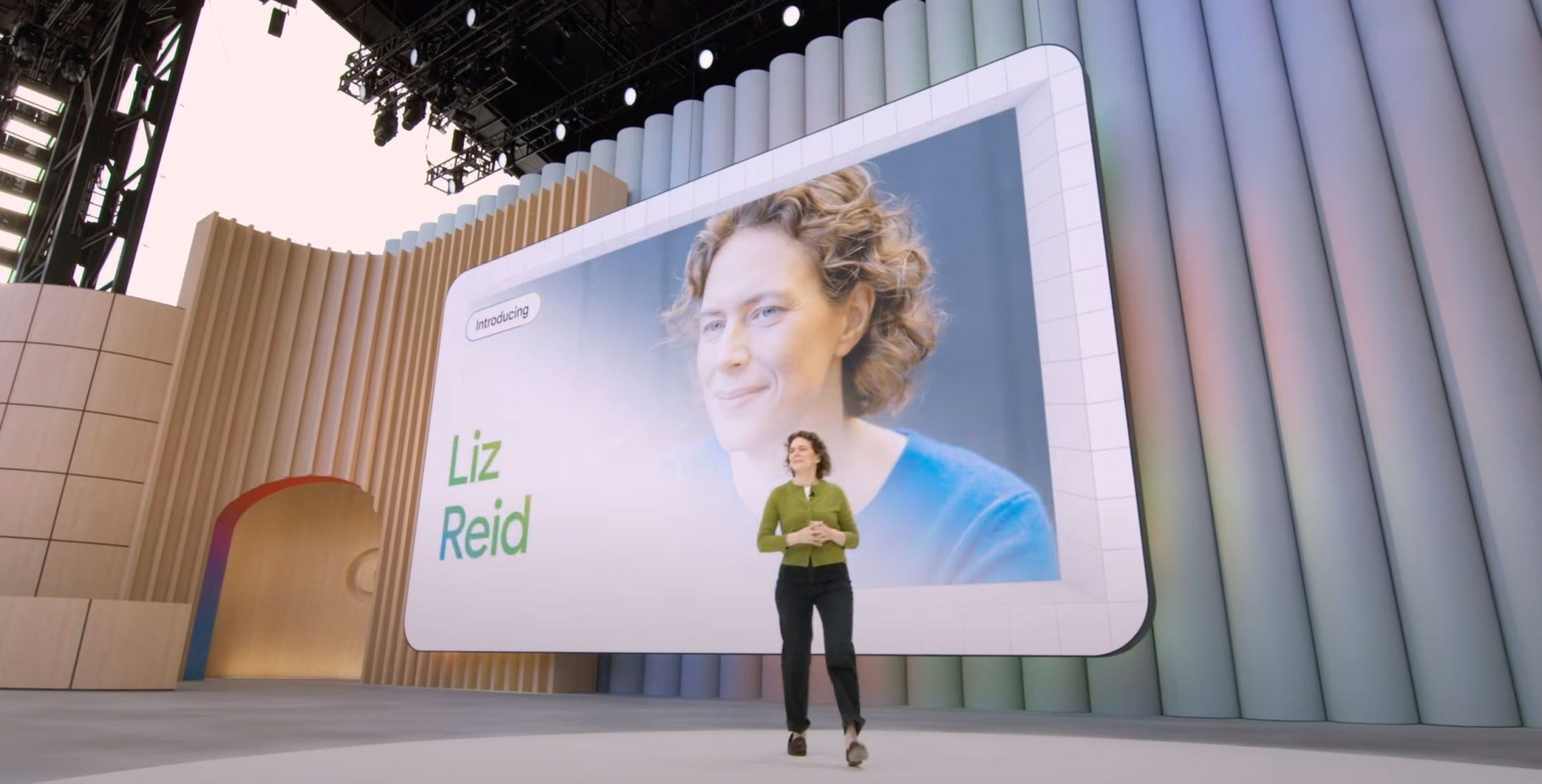
Liz Reid, Google’s Head of Search, said the quiet part out loud in the press briefing TechCrunch attended:
“Search can build custom experiences just for your individual questions, from dynamic layouts, interactive visuals to persistent and stateful project spaces that you can return to again and again.” — Liz Reid, VP of Search, Google, via TechCrunch, May 19, 2026
Read Reid’s words carefully. Custom experiences. Dynamic layouts. Stateful project spaces. That is the description of what used to be a website, a wiki, a guide, a publisher’s product. Google is now generating those experiences itself, from data scraped off the open web, inside its own interface, with its own ads served against the answer. Sarah Perez at TechCrunch made the consequence explicit:
“Combined, these changes will likely further decimate Google referrals to publishers, which have already been suffering from declining referrals due to AI Overviews. This has put some ad-dependent media operations out of business, and now things will likely get worse.” — Sarah Perez, TechCrunch, May 19, 2026
That paragraph is the canary call. Perez is not predicting. She is describing what is already happening, and noting that the announcements this week accelerate it. Bloomberg framed the divide a little more politely, noting that the gulf between free and paid Search is widening, with the most powerful agentic features locked behind Google’s AI Pro and AI Ultra subscription tiers. Same outcome. Google captures the value. The open web does the work.
The scale of the bet underneath this is the part that does not get enough oxygen in the consumer coverage. Forbes broke down the infrastructure numbers:
“Google expects capital spending of about $180 billion to $190 billion this year, up from $31 billion in 2022, much of it going toward its eighth-generation TPU 8t and TPU 8i chips for training and inference.” — Janakiram MSV, Forbes, May 21, 2026
$190 billion. Roughly six times what Google was spending on capex four years ago. The Gemini API alone is processing 19 billion tokens per minute today. The agentic Search experience requires infrastructure at a scale the open web’s publishers cannot remotely match, and Google is the company building it. Every dollar of that capex is being deployed in service of a strategy that, by Google’s own description, removes the traffic referral that was the foundation of the open web’s business model.
Ben Thompson wrote about the same announcements the next morning under the title “I/O Spaghetti,” and his read was more skeptical than the breathless coverage everywhere else. His framing is that Google ships the org chart at I/O every year. Lots of demos, lots of vision-casting, real but incomplete products. Worth holding that skepticism in mind. Generative UI does not exist at scale yet. Antigravity is a developer preview. Many of the features that were demoed are not the features that ship to a billion users on Tuesday. Transition still in motion.
But Thompson also wrote a piece a year ago called The Agentic Web and Original Sin that lays out the actual structural argument. The ad-supported open web was the “original sin” of the modern internet. A bargain where publishers gave away their content for free in exchange for traffic, and the traffic monetized through ads. That deal worked for about 25 years. It broke when the aggregators figured out they could capture the query, generate the answer, and serve the ad themselves, without sending the user anywhere. Eric Seufert put the gaming-adjacent version of this even more directly inside that same Thompson piece:
“Google was keeping the open web on life support, and the open web’s demise will be hastened when Google no longer has an incentive to support it.” — Eric Seufert, via Stratechery, May 2025
Read Seufert’s quote one more time. Google was keeping the open web on life support. Past tense. The implication is that Google’s incentive to keep referring traffic out to publishers is now structurally weaker than its incentive to keep users inside its own interface. I/O this week is the moment that calculus flipped publicly. Pichai and Reid did not say it in those words, but the shipped features did.
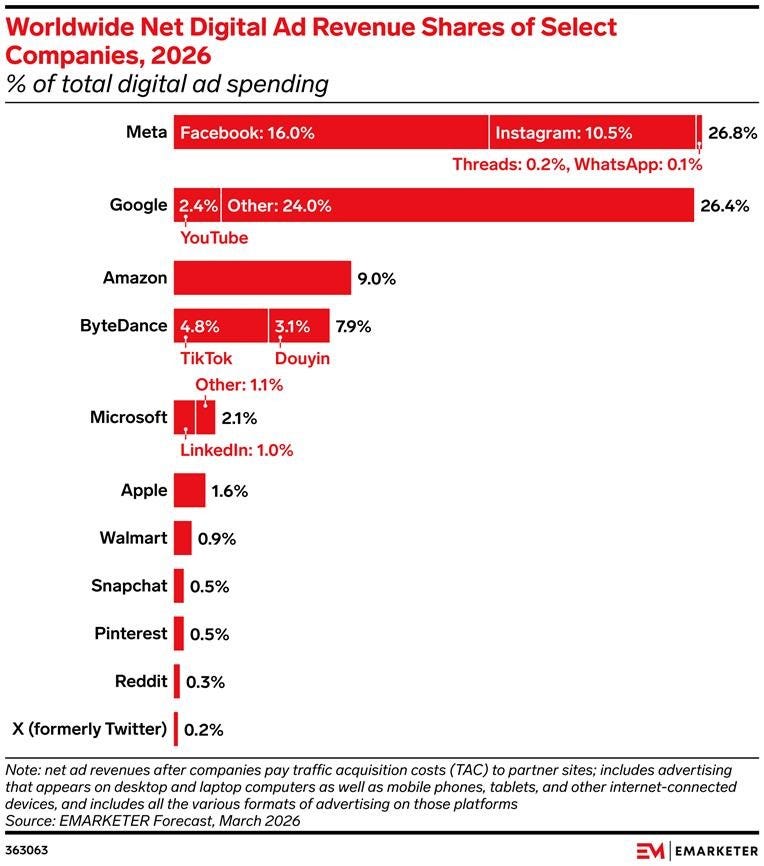
The data has actually been telling this story for a while. According to eMarketer’s April 2026 forecast, Meta, Google, and Amazon will collectively capture 62.3% of global digital ad spend this year. Meta 26.8%. Google 26.4%. Amazon 9%. Three companies. Almost two-thirds of every digital ad dollar globally. Whatever 37.7% remains is split across thousands of publishers, ad networks, and platforms, all fighting for scraps in a market where the aggregators control discovery, distribution, and measurement.
The headline inside that forecast is worth reading twice. Meta passes Google this year for the first time in history, $243.46 billion to $239.54 billion. A company whose entire business model is owned consumer surfaces, closed network effects, and AI-targeted ads against attention it already controls, is now larger than the company whose business model was built on referring traffic out to the open web. Not a coincidence. Rather, the structural shift made visible in a single line of the forecast. The closed-platform model is now bigger than the open-web-referral model, in dollar terms, today, in 2026.
This is not a competitive ad market. What it actually is, is the end state of an industry after the consolidation play is finished. The open web was never going to survive this. Google I/O is just the moment where the last pretense got dropped.
The Canary: Ziff Davis Q1 2026

If you want to know what the death of the open web looks like on a P&L, Ziff Davis filed Q1 2026 earnings on May 8th... and almost nobody wrote about it. Worth fixing that, because the report is the cleanest financial canary in the gaming-adjacent media stack right now.
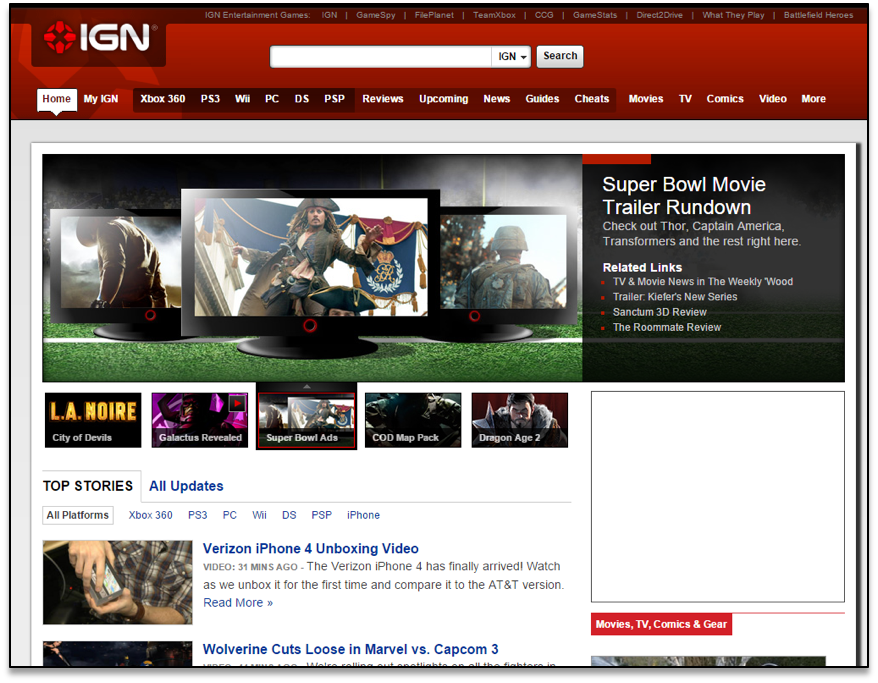
A quick reminder on what Ziff Davis actually is. Today’s portfolio includes IGN, Humble Bundle, Eurogamer, VG247, PCMag, CNET, ZDNet, Mashable, Lifehacker, RetailMeNot, Everyday Health, and a long tail of other digital properties. Inside gaming specifically, IGN and Humble carry the segment. Fandom (GameSpot, Giant Bomb, Metacritic, GameFAQs) is the other significant gaming-adjacent open-web operator worth tracking. Both companies are visible canaries... Ziff Davis is the one with the audited public-market financials.
The Q1 print told two stories at once. Total revenue grew 3.1% year-over-year to $321 million. Growth is growth, and the analyst community focused on it. Underneath that headline is where the actual story lives.
Tech and Shopping (PCMag, Mashable, Lifehacker, CNET, and the affiliate-commerce stack underneath them) was down 12.9% year-over-year. This is the segment most directly exposed to Google search referrals, because tech and shopping queries are exactly the queries that AI Overviews and AI Mode have been eating since 2024. People used to Google “best gaming laptop 2026” and click through to a PCMag roundup. Now they get the answer at the top of the search page, generated by Google, with the affiliate link to Amazon attached. PCMag does not see the click... PCMag does not see the affiliate commission... PCMag’s revenue model is the cost.
Gaming and Entertainment (IGN, Humble, Eurogamer, VG247) told a more complicated story. Revenue was actually up 7.2% year-over-year, which sounds fine on paper. Two metrics underneath that number tell you what is actually happening. ARPU was down 19% year-over-year. Net Revenue Retention dropped from 92.2% to 89.0%. Translation: Ziff Davis is generating more revenue from gaming and entertainment, but they are doing it by squeezing harder on a shrinking base of paying customers, not by growing the audience.
Read those two metrics together. Top-line growth of 7.2%. ARPU down 19%. NRR down 320 basis points. This is what dying looks like on a P&L. Not a single big collapse... rather, a slow grind where the headline number stays positive for one more quarter while the underlying unit economics quietly fall apart.
The company’s own behavior confirms what the segment data is showing. In March, Ziff Davis sold its entire Connectivity division to Accenture for $1.2 billion in cash, divesting Ookla, Speedtest, Downdetector, and the rest of the network-intelligence business. Same quarter, the company laid off Eurogamer’s most experienced editors, killed the brand’s entire four-person video team, and reduced VG247 to a two-person guides operation. Connectivity sold off... gaming media cut to skeleton crews... cash raised... costs cut. Two simultaneous moves that read like one strategy: salvage what you can, kill what you cannot subsidize anymore, and concentrate the remaining resources on a narrower set of properties.
Ziff Davis is not an outlier. Per VGC’s reporting in February, citing Press Engine data, the global pool of games journalists has shrunk by 25% in the past two years, with more than 1,200 journalists who regularly covered video games leaving their positions. Press Engine’s Gareth Williams put the structural diagnosis bluntly:
“A culmination of a number of factors has cost videogames journalism some of its brightest talents. The COVID highs, followed by lack of diversification in content, diversification of advertising spend, Google’s Helpful Content Update, summaries, and AI have all contributed to where we are now.” — Gareth Williams, Co-Founder, Press Engine, via VGC, February 26, 2026
Read Williams’s list one more time. Helpful Content Update. AI summaries. Diversification of ad spend. Same three forces that show up on Ziff Davis’s earnings call, on the eMarketer concentration data, and in the I/O announcements this week. One quarter of one company is not an isolated bad quarter... it is a representative slice of a 25% industry-wide collapse.
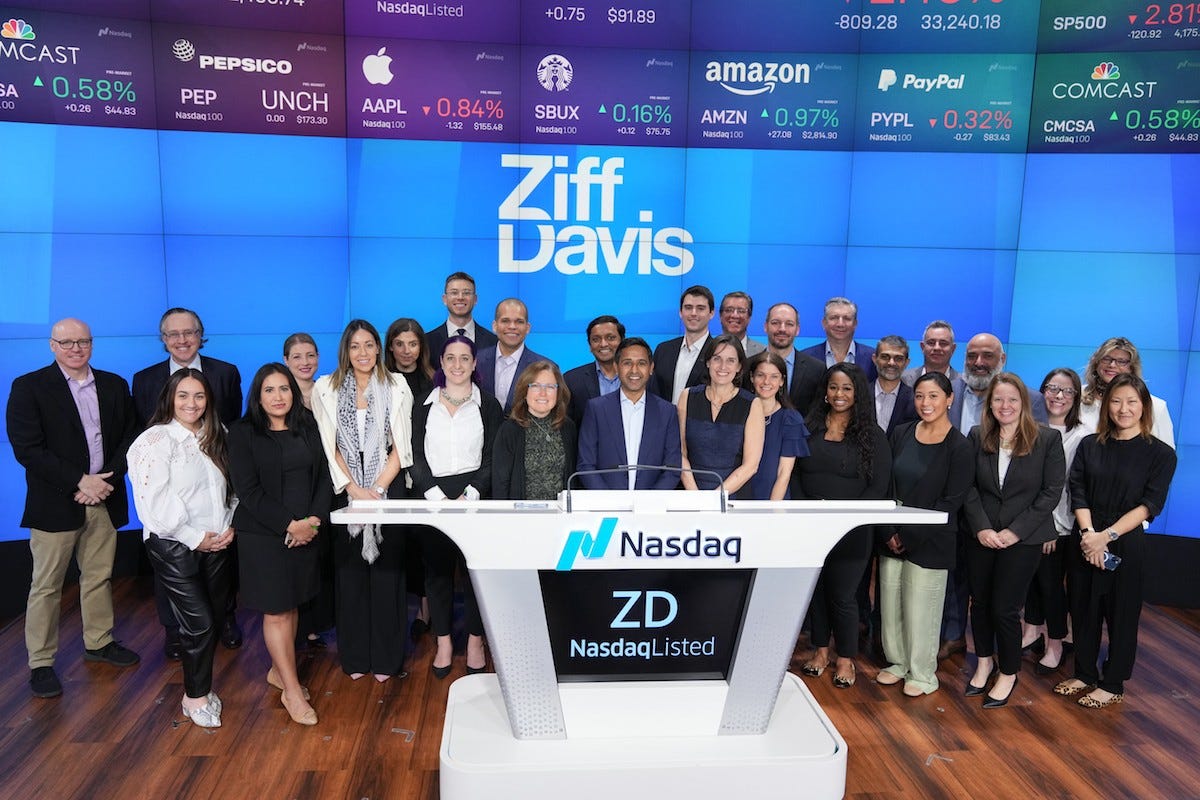
Ziff Davis’s leadership flagged the same structural pressure directly in their Q1 prepared remarks:
“AI-driven changes to search, including AI Overviews and AI Mode, continue to create headwinds for organic referral traffic across several of our properties. We are investing in direct audience relationships, owned platforms, and licensing opportunities to mitigate these structural pressures.” — Vivek Shah, CEO, Ziff Davis, Q1 2026 Earnings Call, May 8, 2026
Read Shah’s words carefully. The CEO of one of the largest gaming-adjacent media holding companies in the world is saying, in formal SEC-recorded remarks to public investors, that AI Overviews and AI Mode are creating headwinds for the organic referral traffic that the open-web media business model is built on. Shah is not editorializing... he is reporting it as a structural pressure on his own company’s revenue.
The three mitigation paths he names are worth noting. Direct audience relationships. Owned platforms. Licensing opportunities. We will come back to those at the end of this piece.
For now, hold one thing in mind. Ziff Davis is one of the better-run, better-capitalized, more strategically diversified players on the open gaming web. If they are in salvage mode in Q1 2026, the operators that are smaller, less diversified, and entirely reliant on Google referral traffic are in materially worse shape. They just are not required to disclose it the way Ziff Davis is.
What This Looks Like Inside Gaming
What Ziff Davis is going through is the visible top layer of a deeper structural collapse happening throughout gaming media right now. Ziff Davis at least has audited financials, a portfolio of properties, and the capital to ride this out for a few more quarters while they figure out the pivot. Smaller operators do not have any of that. Fan-built wikis, long-running guide sites, independent enthusiast publications... all of which gaming has historically depended on as the connective tissue of community knowledge... are being squeezed out of existence in real time, and most readers have not noticed because the squeeze does not show up in a quarterly earnings call. It shows up in the search box, when the answer used to be a GameFAQs page and is now a Google-generated AI summary.
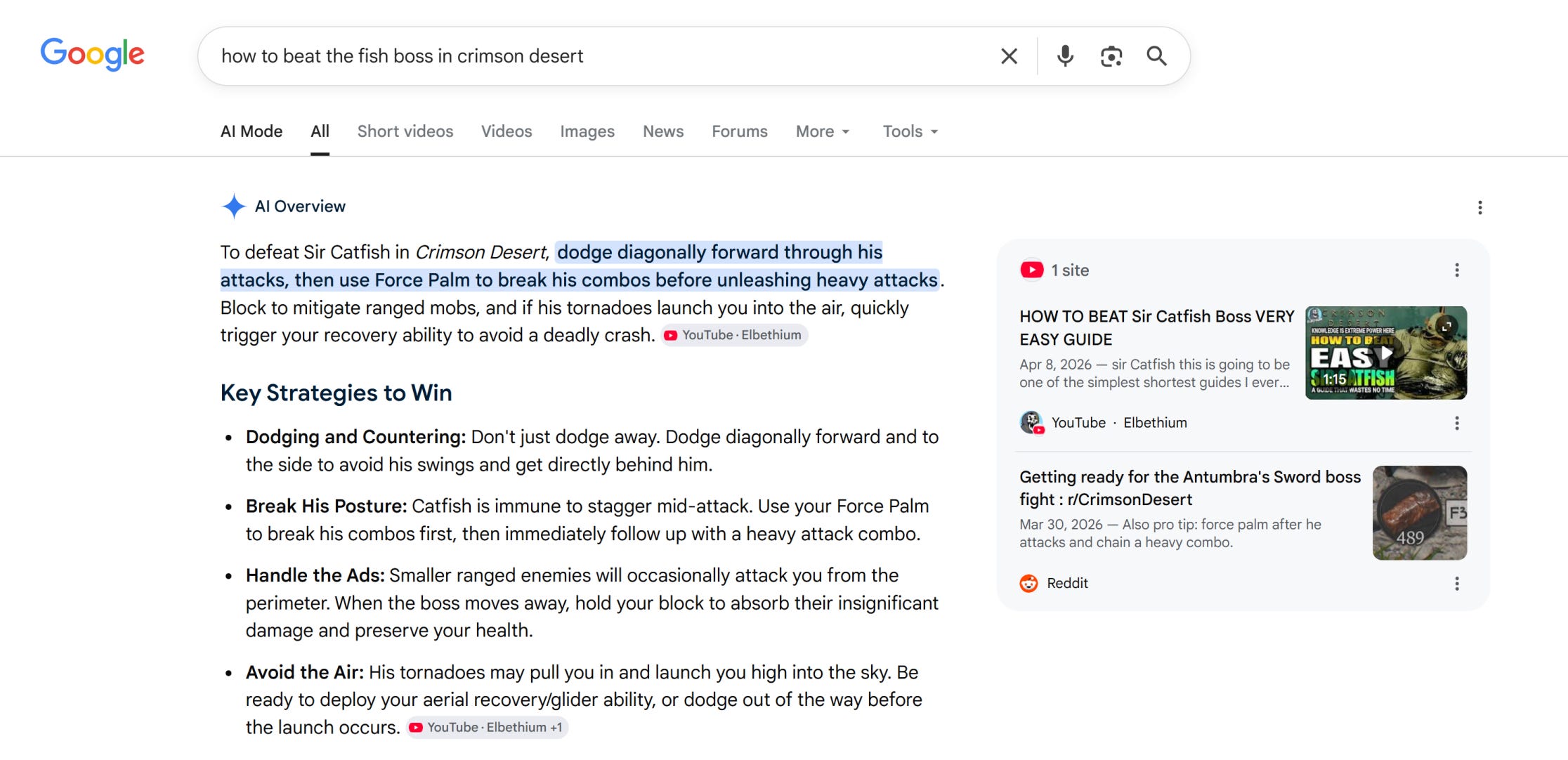
Let me show you what this looks like from inside one of those queries.
I am playing Crimson Desert right now. Pearl Abyss’s massive open-world action RPG, finally out in the wild after years of development hell, and one of the games we have been tracking inside mindGAME since well before launch. The game is enormous, the systems are dense, and roughly twice a session I hit a puzzle, a boss, or a quest objective where I have absolutely no idea what to do next and zero patience to figure it out on my own.
So here is what I do, every single time. I pick up my phone... open Google... type the exact mission name and what I am stuck on. Google’s AI Overview generates a synthesized answer at the top of the page, telling me exactly where to go, what to interact with, which ability to use, what the trigger is. Off to the races... mission cleared... back to the game. I almost never click through to a link. The answer is right there at the top of the page, perfectly summarized, often with screenshots, and it is good enough that the underlying source does not matter to me in the moment.
That is the part worth sitting with.
Where did the AI get the information? Some of it came from a fan-built wiki maintained by volunteers. Some of it came from a long-form YouTube walkthrough that a creator spent eight hours producing. The YouTuber actually still gets something out of this. Google links the video at the bottom of the AI response, often timestamped to the exact moment I need to see, ads loading first when I click through. Imperfect, but real. The open written web on the other hand gets nothing... no click, no impression, no referral. Why would I click through to read 2,000 words on a wiki page when the AI response already has the answer copy-pasted into the top of my screen?
Some of this is already getting partially solved through licensing deals at the platform level. Reddit signed a $60 million-per-year content licensing deal with Google in 2024, then signed a separate deal with OpenAI a few months later. Anthropic got sued by Reddit in mid-2025 for scraping without a license. Big platforms with structured user-generated content libraries get paid. Independent wikis built by volunteers on platforms like Fandom or MediaWiki do not get paid. The asymmetry is the entire point. If you are big enough to negotiate, you get a license deal. If you are a hobbyist wiki maintainer running a guide site for an obscure JRPG, you get scraped for free, and your traffic goes to zero.
This collapse extends past the wikis into gaming media itself, just one or two quarters behind. The clickbait incentives that have been distorting editorial decision-making for the past five years are not random. They are the rational response of a business that is watching its referral traffic collapse and has to monetize whatever attention it can still capture. Both sides of the current gaming-media culture war are running the same play in opposite uniforms. One side stokes outrage about “woke gaming” to drive YouTube and X engagement against the traditional press. The other side stokes outrage about “micro-creators ruining the industry” to drive traffic back to legacy outlets. Both are agitating the other to manufacture attention. Both are running variations on the propagation marketing playbook I wrote about last week in the Forza and Dead as Disco piece, just optimized for outrage instead of organic enthusiasm. Both are downstream of the same structural collapse... the open-web business model that used to fund earnest journalism stopped working, and what replaced it is the only thing that still moves the needle on a dying revenue chart.
If the future of gaming community is going to look like anything sustainable, it is not going to come from any of this. It will come from somewhere else entirely.
What Actually Survives
So if the open web is dying, the referrals are gone, the wikis are getting scraped without compensation, and gaming media is in salvage mode... what actually survives?
Four paths. None of them are new, but the structural collapse we just walked through is the thing that finally forces gaming operators to choose one.
Path one: subscription. The New York Times proved the model out almost a decade ago. Build a brand strong enough that readers will pay directly for the content, sidestep the advertising layer entirely, and own the customer relationship without an intermediary. Subscription is the single cleanest answer to the death of referral traffic, because it severs the dependency on Google entirely. The problem is that subscription works for maybe two or three operators per category. The Times made it work. The Wall Street Journal made it work. The Athletic made it work and got bought by the Times for the trouble. Gaming has nobody at that scale yet. Game Informer is gone. Edge Magazine is barely hanging on. The closest things to working subscription products in gaming right now are individual newsletters like this one, Second Wind‘s Patreon-funded model, Aftermath‘s subscriber-supported model, and a handful of independent operators who have walked away from advertising entirely. Subscription as a path works. It just does not scale the way the old ad-supported model did, which means the surviving operators will be smaller, more focused, and more directly accountable to their readers.
Path two: personality. Ben Thompson at Stratechery is the canonical example. One person, one perspective, deep analysis, paid directly by readers who specifically want that voice in their inbox. Personality-driven media has been the great surprise winner of the last decade, because the thing the open web optimized against (generic, SEO-friendly, programmatically-produced content) is exactly the thing AI summaries can replicate for free. What AI cannot replicate is a specific human’s perspective, voice, taste, and analytical framework. Substack, Beehiiv, LinkedIn newsletters, Patreon, all of it is downstream of this.
Patch Notes itself is downstream of this. Gaming’s version of this path is already visible in operators like Jason Schreier, who left Kotaku for Bloomberg years ago, Jeff Grubb at Giant Bomb and on his own channels, Christopher Dring 🔜 The Game Business Live at The Game Business, and a long tail of newsletter operators, podcasters, and individual streamers who have built audiences around their specific perspective rather than around a brand they happen to work for.
Path three: community. Gaming is structurally best positioned to win this one, and it is the path I find myself most excited about. The whole propagation marketing argument I made last week is built on this. Discord servers, Reddit communities, fan-organized Twitch and YouTube channels, in-game social systems, micro-communities organized around specific games or creators or subcultures. None of it depends on Google referral traffic, and none of it gets disintermediated by AI summaries.
Forza’s launch this week is the latest receipt. Crimson Desert did the same thing earlier this year. Helldivers 2 did it in 2024. Baldur’s Gate 3 did it through the CRPG enthusiast community years before launch. Press releases are not the marketing engine. IGN reviews are not the marketing engine. Community is. That model scales for any game that respects its audience enough to build inside the cultural spaces those audiences already occupy.
Path four: agentic content marketplaces. This one is the newest, the most speculative, and the one I am least sure about. The theory is straightforward enough. If AI agents are going to consume the web at 1000x the rate humans ever did, and if those agents have budgets and queries instead of attention, then somebody needs to build a marketplace where original content gets valued and paid based on the marginal contribution it makes to an agent’s output. Ben Thompson interviewed Parag Agarwal earlier this week, the former CEO of Twitter and current founder of Parallel AI, which is one of the early players trying to build exactly this. Agarwal’s articulation of the underlying problem is the cleanest I have seen:
“With agents that constraint disappears. It’s like, ‘How much valuable work or value can I generate by throwing more compute at all of the data on the web?’ Agents will use the web 1000x more than humans ever have.” — Parag Agarwal, Founder and CEO, Parallel AI, via Stratechery, May 21, 2026
Worth holding the optimism here in check. The harder question is who actually needs an open-web content marketplace when Google owns YouTube and YouTube already contains most of the answers. Wikis exist on YouTube in the form of video walkthroughs. Tutorials exist on YouTube in the form of step-by-step screen recordings. Game guides exist on YouTube in the form of timestamped boss-fight breakdowns. If Google can synthesize an AI answer from YouTube content it already owns the rights to monetize, and the YouTuber still gets a click through to the timestamped moment, the structural pressure on building a separate written-web marketplace just for agents drops significantly. That part of this path should give anyone pause.
Where the marketplace concept might still hold is in the categories where YouTube does not have the answer. Original analysis. Specific voices. Specialized factual data that lives in trade publications, government datasets, paywalled academic work, or one-person Substacks doing the work nobody else is doing. Frameworks for how to think about a problem rather than a tutorial for how to execute a known task. What AI agents cannot synthesize from a 47-minute YouTube video is a specific human’s analytical perspective applied to a specific problem. If a content marketplace eventually figures out how to value and pay that contribution at the token level, original voices end up with a second monetization path beyond subscription. Tokens pay the creator. Writing keeps happening. Agents get a higher-quality answer than they would have gotten from scraping the open web for free.
That is the optimistic version. A pessimistic version is that the major AI labs do private licensing deals with the largest content sources, the marketplaces never scale, and the long tail of original-voice creators keeps depending entirely on subscription and community to survive. Both versions are still live. The infrastructure to make the optimistic version work is years from existing at scale. Worth tracking, and worth being honest about how speculative it still is.
Four paths. Subscription. Personality. Community. Agentic marketplaces. Operators that survive the next decade are the ones who pick one and commit... and those that try to keep running the old ad-supported open-web model are writing their own obituaries in real time, one quarter at a time, the way Ziff Davis is documenting in their public filings right now.
The Open Web Built Me, And It Is Probably Ending
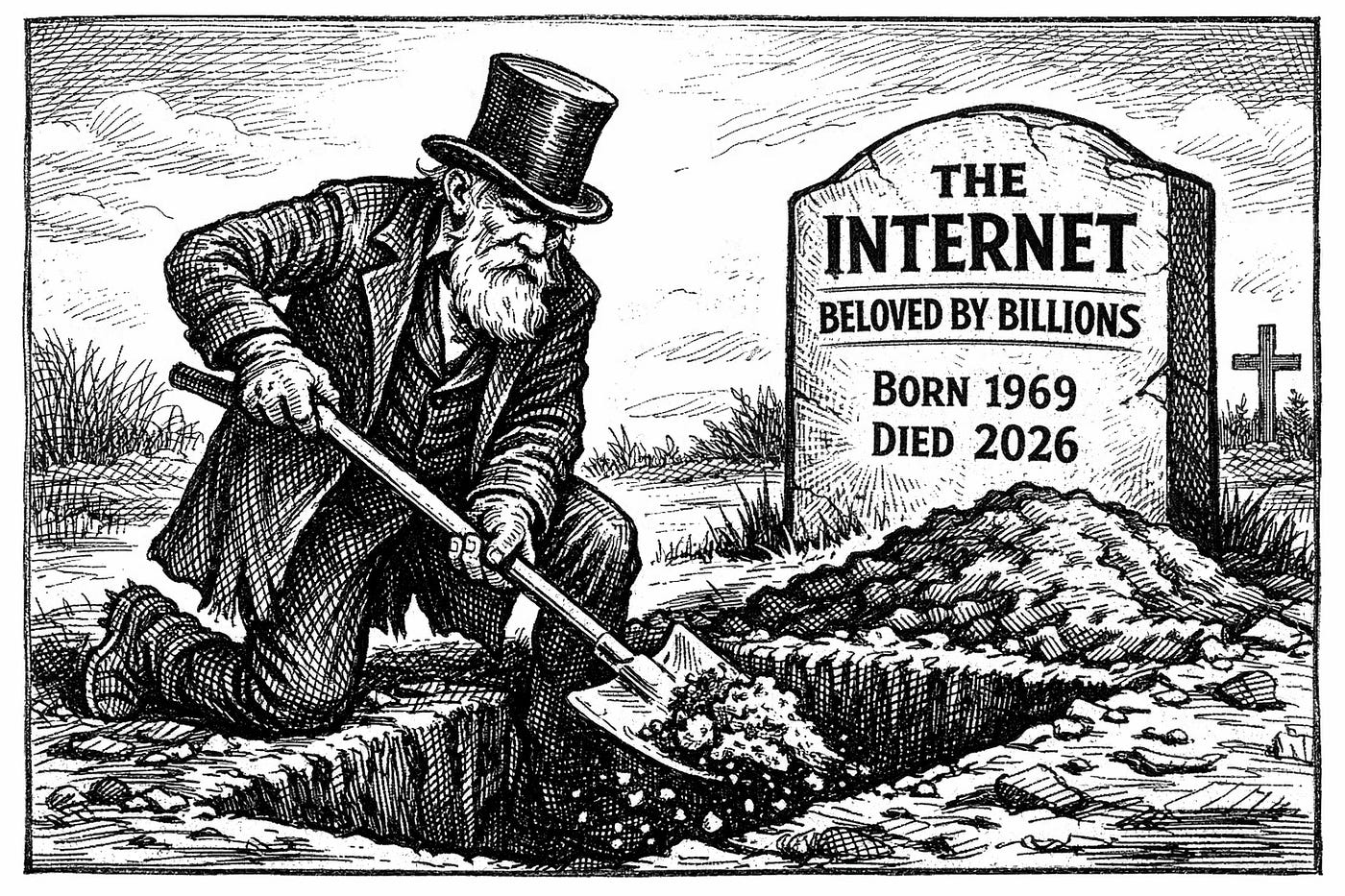
I do not know how to wrap a piece like this neatly, so I am not going to try.
The open web built me. Dial-up modems, second phone lines, Something Awful forums, GameFAQs walkthroughs, fan wikis written by people I have never met for games I will never play again. Whatever taste I have, whatever curiosity, whatever instinct for how to find a community online and build inside it... all of it traces back to the version of the internet I grew up on. Patch Notes itself is downstream of that web. So is everyone reading this... every Substack writer, every newsletter operator, every podcaster, every Discord moderator, every wiki contributor, every person who ever decided to publish a thought online because they had something to say and the platform to say it was free, open, and theirs.
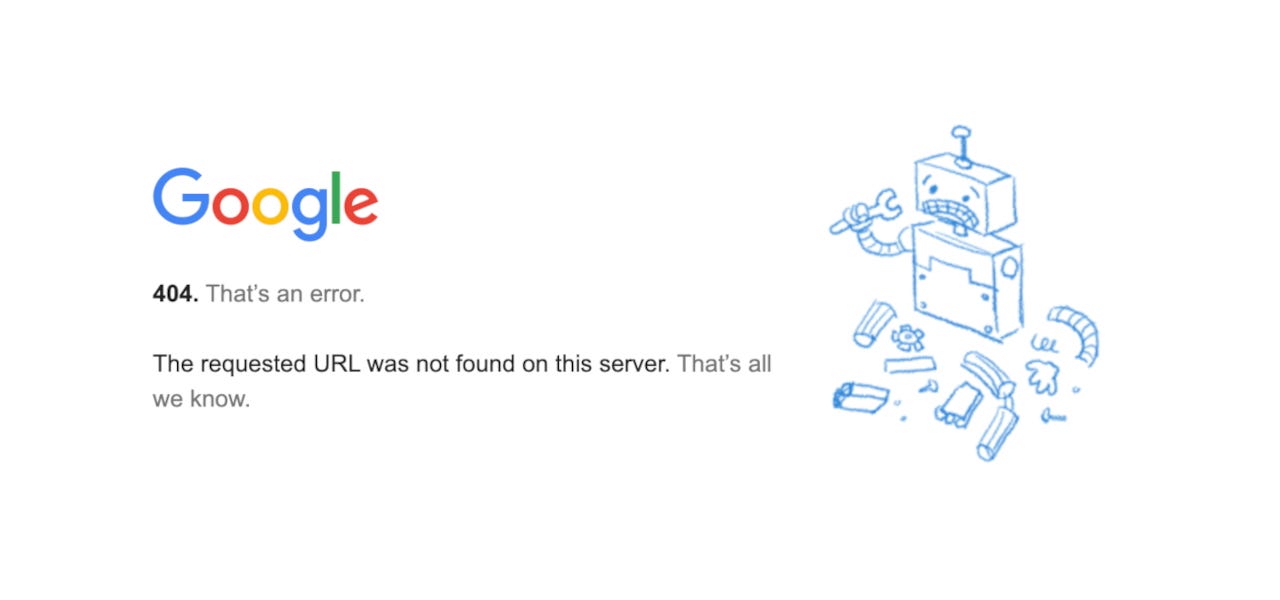
That version of the internet is ending. Not in some abstract long-term sense, but right now, in 2026, in front of all of us, and most people will not realize it has happened until the GameFAQs page they remember from 2018 returns a 404 and the wiki they used to consult is a Wayback Machine snapshot.
I am not nostalgic in a corny way about this. The open web in 2026 is, on most days, a hostile interface I navigate with ad blockers, privacy blockers, and a deep distrust of every popup and modal that loads before the content does. Google charges a toll on top of the publisher’s own brand name. SEO has eaten editorial. The economics broke years ago, and the user experience went with it. I get why people stopped clicking, and I get why the aggregators won. None of this is mysterious.
What I am is honest about how I feel about the trade. Aggregators are more efficient. AI summaries are faster. Closed platforms monetize better. All of that is true. What gets lost in the migration is the bargain that made the open web culturally generative in the first place... that a person could publish a thought, attach their name to it, find a community, and build something durable inside a space that nobody else owned. Closed platforms do not give you that. Aggregators do not give you that, and AI summaries actively erase the names.
Which brings the piece full circle, back to where it started. Matthew Ball joining Xbox is the structural signal that the platforms inheriting the audience know exactly what they are doing. Aggregation is the strategy. Attention capture is the strategy. Owning the surface where the answer gets rendered is the strategy. The next decade of gaming is going to be defined by which platforms execute that playbook best, and Microsoft just hired the analyst who wrote the public version of the manual. Forza Horizon 6 is the warm-up. What comes next under that strategic posture is going to look materially different from the Xbox most of us grew up with.
Gaming is going to live through the sharpest version of this transition because the labor of enthusiast communities is the connective tissue of how gaming culture actually works. The wikis, the modders, the speedrunners, the lore obsessives, the guide writers... none of it scales without the open web’s social contract behind it. We are going to find out, over the next five to ten years, which parts of that contract can be rebuilt inside closed platforms and which parts simply do not survive the migration.
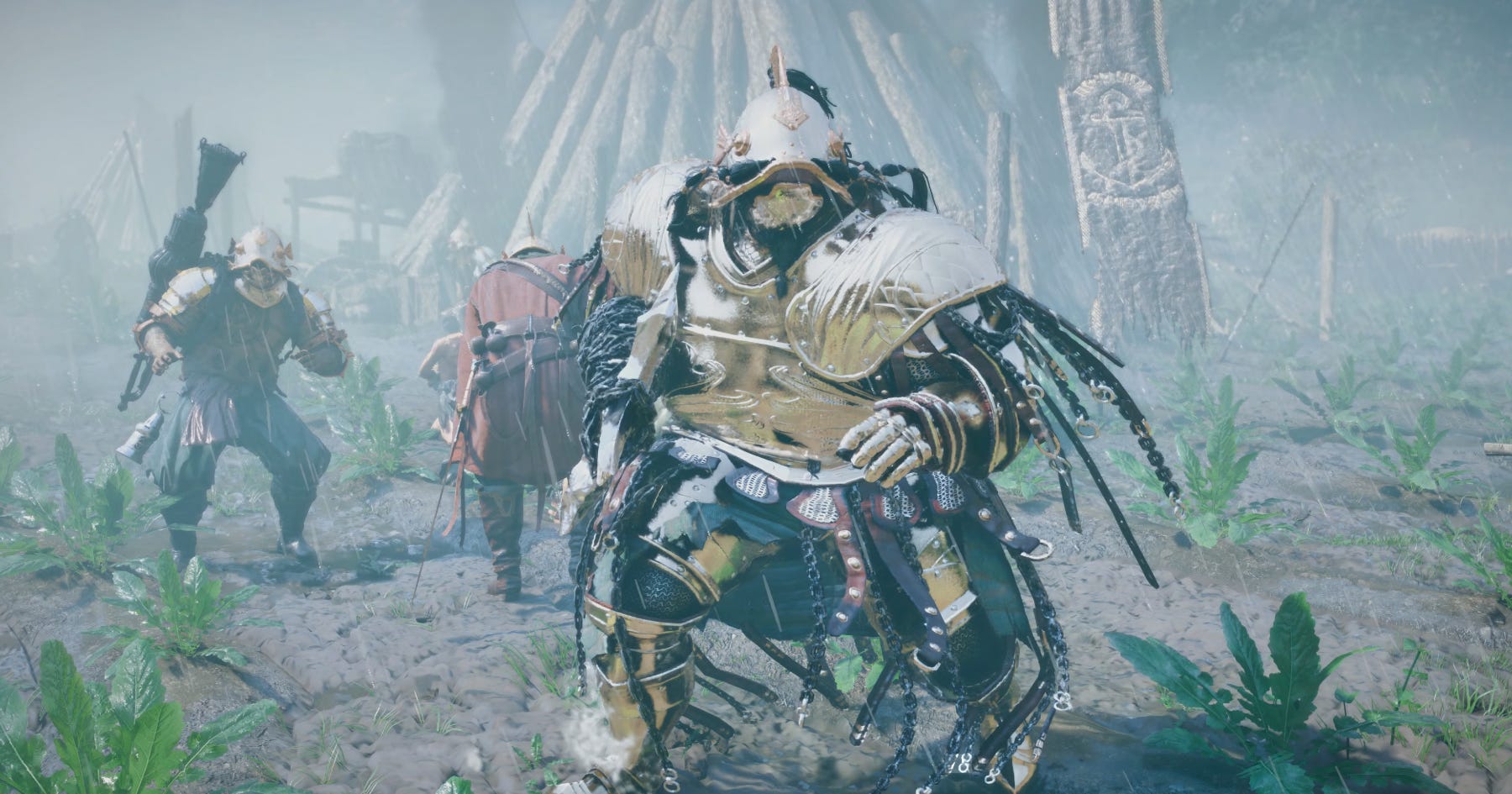
I am betting on community, on the operators who choose subscription, personality, or earnest direct relationships with their audiences. I am betting on the games that build inside the cultural spaces their players already occupy, the way Forza and Crimson Desert and Helldivers 2 and Baldur’s Gate 3 did. I am betting on independents over aggregators wherever there is still a choice. Some of those bets will be wrong. Some of them are already paying off.
The bittersweet part is that the era that produced Patch Notes, and produced the people reading Patch Notes, is not coming back. Patch Notes itself is both a product of the open web that built me, and an operator inside the closed platforms (Substack, LinkedIn) that are inheriting what comes next. Both things are true at the same time, which is roughly the position every independent creator is going to find themselves in over the next decade. The open web gave us the muscle memory. Closed platforms hand us the distribution. Whatever survives will be built across both, by people who remember what the old bargain felt like and refuse to forget it on the way to the new one.
What replaces the old internet will be something else, some of it worse, some of it better. The honest answer is that nobody knows which until we have lived inside it for a few more years.